Carbon Credit Project Case Study - Reforestation And Restoration Of Degraded Mangrove Lands, Sustainable Livelihood And Community Development In Myanmar
Reforestation And Restoration Of Degraded Mangrove Lands, Sustainable Livelihood And Community Development In Myanmar
Strengths
TYPE:
Mangroves restoration / Conservation
PROJECT LOCATION:
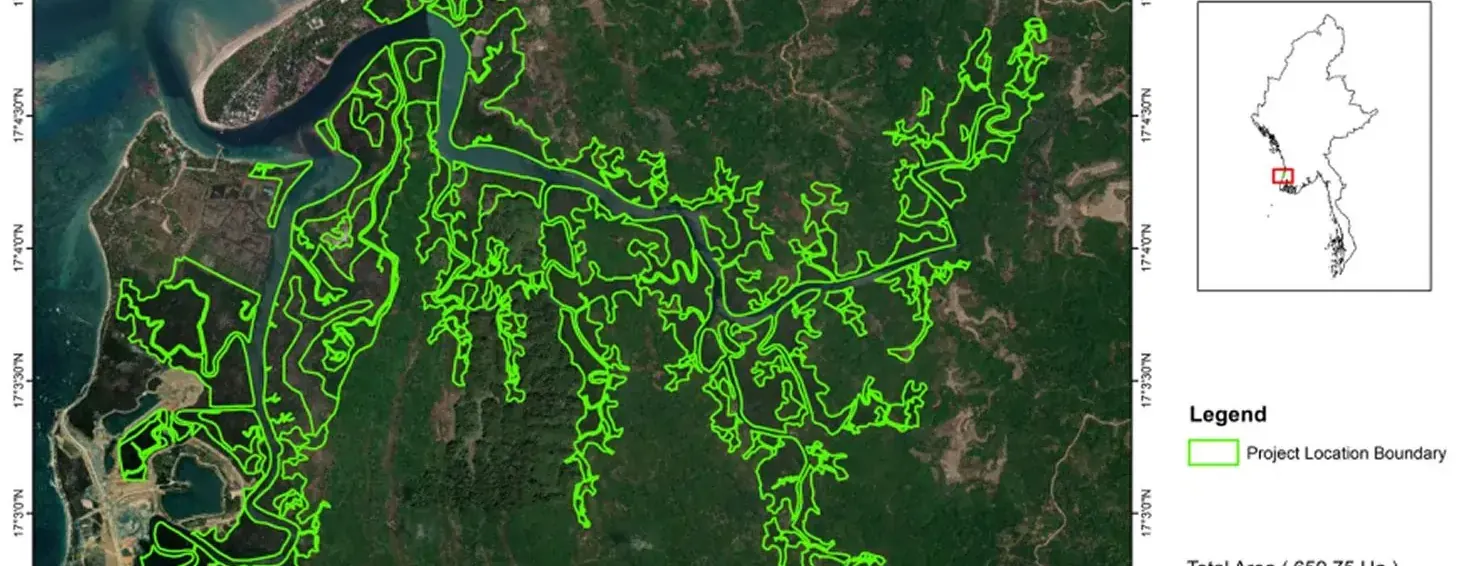
16 villages in Ayeyarwady Region in Myanmar
PROJECT DURATION:
2018 to 2048
REDUCTION / REMOVAL:
Both
METHODOLOGY:
AR-AMS004
ABOUT:
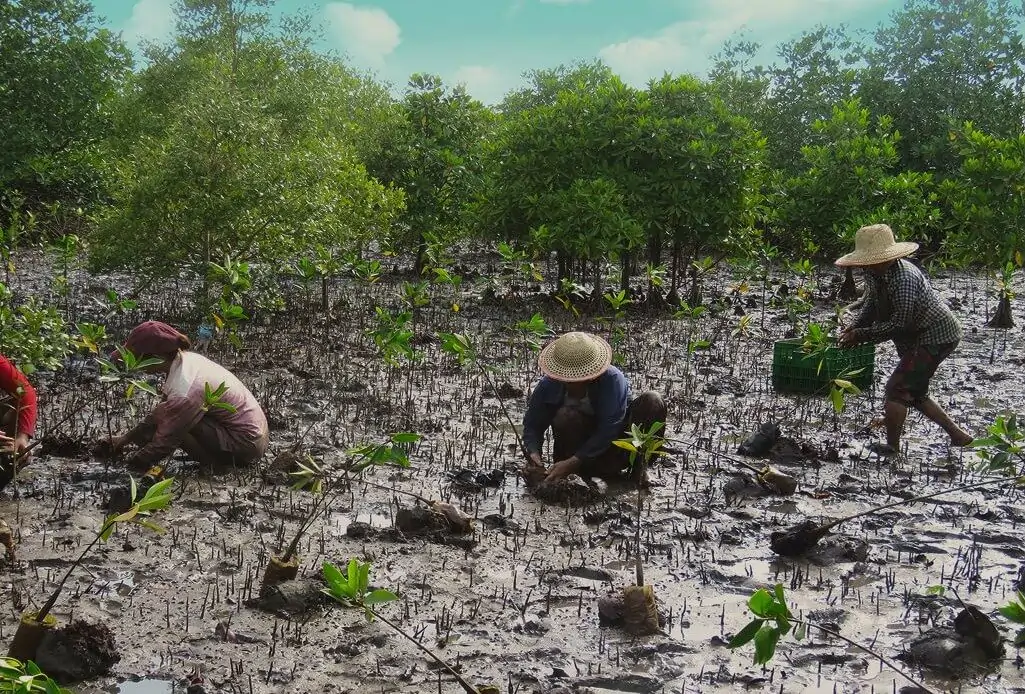
Restoring the degraded mangrove landscape covering 2,065 ha. It involves planting about 9.1 million mangrove trees in the Magu, Thabaung, and Thaegone village tracts.
ISSUANCES REMAINING
Mangroves highly effective at sequestering carbon due to the dense biomass and rich soil carbon storage capacity of mangrove ecosystems. This makes them valuable for climate change mitigation.
The project has a low permanence risk and adequate buffer pool of 24%. The project uses a 30-year land use agreements ensure sustained restoration, reducing the risk of reversal.
The project used conservative assumptions in its baseline scenario. The project is implemented by WIF, a non-profit organization, with no financial return other than carbon credits. The mangroves were degraded and not being restored prior to the project.
The project has engaged over 11,000 people across 16 villages and provides significant socio-economic benefits. The restoration of mangrove ecosystems supports the recovery of biodiversity, including fish, birds, and other wildlife. Mangroves filter pollutants and improve water quality.